

What Records Should You Keep for Your Tax Return?
Good record keeping can make completing a UK Self Assessment tax return much easier. The records you need will depend on where your income came from and which expenses, allowances or tax reliefs you want to claim.
You do not normally send your supporting documents with your tax return. However, you need them to work out the figures you report, and HM Revenue and Customs may ask to see them if it checks your return. Records should be accurate, complete and readable.
Why Is It Important to Keep Tax Records?
Your records provide evidence for the income, expenses and other figures included in your tax return. They can also help you check that information supplied by employers, banks, pension providers and other organisations is correct.
Keeping clear records throughout the year can reduce the amount of work needed when it is time to complete your return. It can also make it easier to answer questions if HM Revenue and Customs checks part of your tax affairs.
HM Revenue and Customs can charge penalties where required records are not accurate, complete and readable, so keeping paperwork organised is more than simply a useful habit.
Records of Employment and Pension Income
If you receive employment income, keep the documents provided by your employer that show your total pay, tax deducted and any taxable benefits. You should also keep information about redundancy payments, termination payments, tips or other employment income that may need to be included in your return.
If you claim employment expenses, keep evidence of what you paid. This might include receipts for qualifying travel, tools, professional costs or specialist clothing. Not every work-related cost can be claimed, so your records should make it clear what you bought, how much you paid and why the expense was connected with your work.
For pension income, keep annual statements and other documents showing how much pension income you received and how much tax was deducted. This can include information about the State Pension as well as private or workplace pensions.
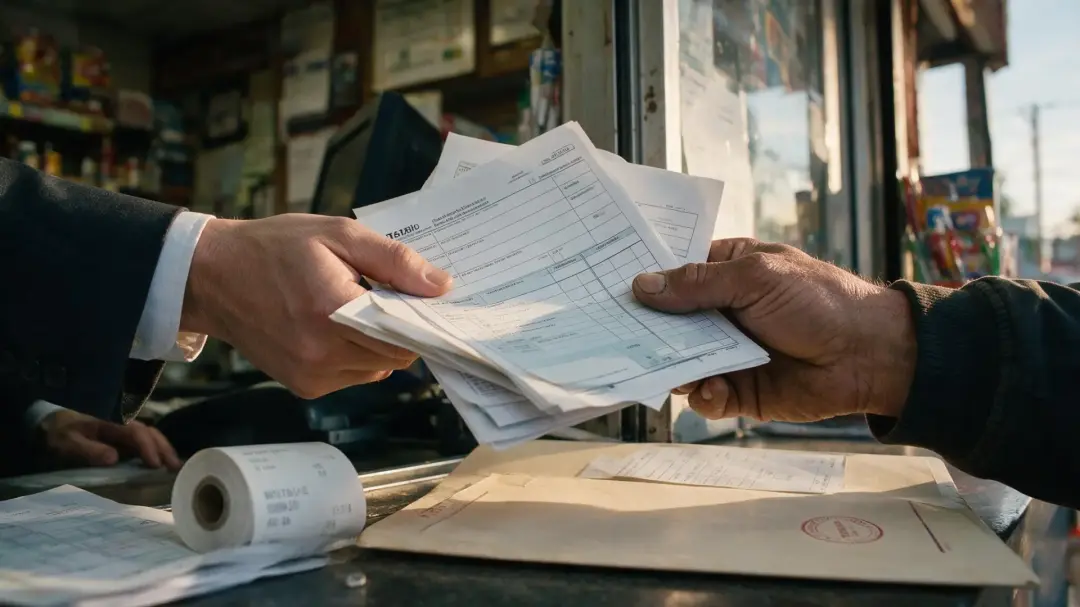
You should also keep records of savings and investment income. Useful documents include bank and building society statements, statements showing interest received and information about dividends or other investment income.
If you receive income from a trust, life insurance policy or another less common source, keep the statements or certificates that explain what you received and when you received it.
Keeping these records together can make it easier to check which amounts need to be included when you prepare your return.
What Records Should Self-Employed People Keep?
Sole traders need clear records of all business sales and income as well as their business expenses. Supporting evidence can include sales invoices, purchase invoices, receipts, bank statements, till records and other documents that explain money entering or leaving the business.
Your records should make it possible to identify individual business transactions and work out your profit or loss. Keeping business and personal spending clearly separated can make this much easier.
Depending on the accounting method you use, you may also need records covering money owed to the business, bills that have not yet been paid, stock, work in progress, year-end bank balances, money introduced into the business and money taken out for personal use.
What Records Should Landlords Keep?
If you receive rental income, keep records showing when the property was let, how much rent you received and any other payments made by tenants. This can include charges for services such as maintenance.
You should also keep rent records, invoices, receipts, bank statements and evidence of allowable property expenses. Examples can include qualifying cleaning, gardening, repairs, insurance and professional costs.
Property tax rules can differ depending on the type of cost involved. Keeping invoices that clearly describe the work carried out is particularly useful when deciding whether a cost is an everyday repair or an improvement to the property.
Keep Evidence for Expenses and Tax Reliefs
If you enter an expense or claim a tax relief on your return, keep evidence showing how you arrived at the amount. Receipts and invoices are useful, but other records may also be needed where a claim involves mileage, working from home, professional subscriptions, pension contributions, charitable donations or similar costs.
Where a cost includes both personal and business use, keep enough information to explain how you worked out the business part. A clear calculation can be useful if you need to review the return several years later.
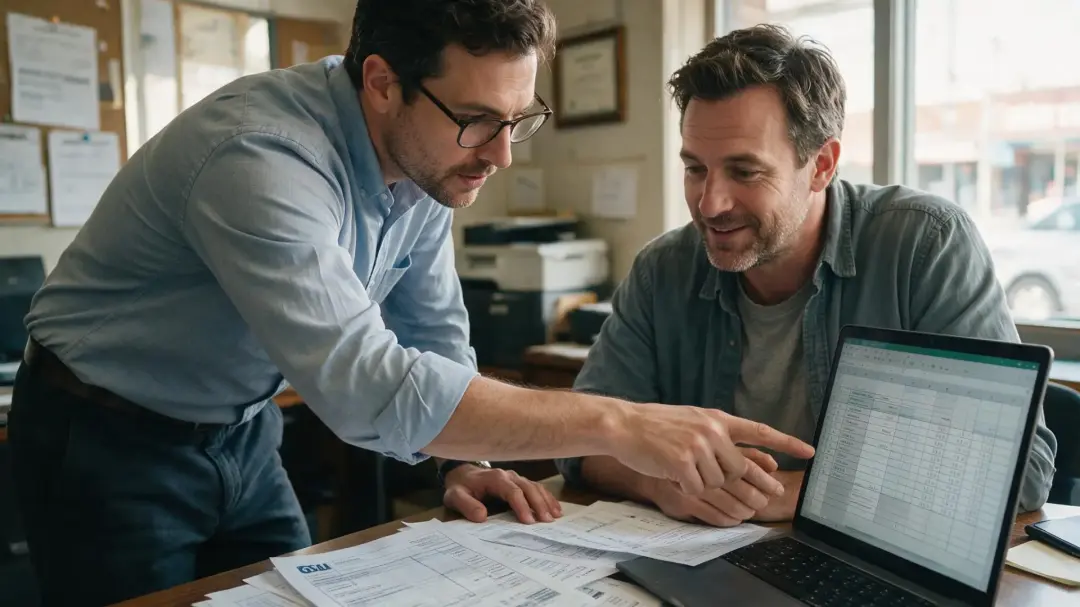
Capital gains can require records that go back many years. If you sell or otherwise dispose of an asset, you may need documents showing what you originally paid for it, the date you acquired it and what you received when you disposed of it.
Keep evidence of related costs such as professional fees, purchase costs and qualifying improvements, together with contracts and valuations where relevant.
Because an asset may be owned for many years before it is sold, it is sensible to retain important purchase and improvement records throughout the period of ownership and then for the required record-keeping period after the disposal.
How Long Should You Keep Your Tax Records?
The required period depends on your circumstances. If you send a Self Assessment return on time and you are not carrying on a trade, profession or business, records should generally be kept until at least 22 months after the end of the tax year concerned.
For example, records supporting an on-time return for the 2025 to 2026 tax year should normally be kept until at least the end of January 2028.
Different rules apply to self-employed people and landlords. Business records generally need to be kept for at least five years after the 31 January submission deadline for the relevant tax year. This means records supporting the 2025 to 2026 return would normally need to be retained until at least 31 January 2032.
You may have to keep records for longer if your return was submitted late or if HM Revenue and Customs has opened a check into your return. If the same document is needed for more than one tax purpose, keeping it for the longest required period is sensible.
Digital Tax Records Are Becoming More Important
Record keeping changed for many sole traders and landlords on 6 April 2026. People within the first stage of Making Tax Digital for Income Tax must now use compatible software to create and store digital records of their self-employment and property income and expenses.
The first stage applies to eligible sole traders and landlords whose qualifying income was more than £50,000. Official figures based on 2023 to 2024 tax data identified around 864,000 people above this level, and a government performance update reported that more than 860,000 people were required to start using compatible software from 6 April 2026.
The threshold is due to fall to more than £30,000 from 6 April 2027 and more than £20,000 from 6 April 2028. Official figures estimate that around 1,077,000 people had qualifying income between £30,000 and £50,000 and a further 975,000 had qualifying income between £20,000 and £30,000, based on 2023 to 2024 data.
What Must a Digital Record Contain?
For people using Making Tax Digital for Income Tax, each digital income or expense record generally needs to include the amount, the date and the relevant income or expense category.
Using digital software does not mean that supporting evidence can simply be discarded. You still need to keep the original records or suitable copies used to prepare your tax information, including documents such as invoices and bank statements.
Digital record keeping can also make it easier to organise information during the year instead of trying to gather a full year of receipts and statements shortly before the filing deadline.
Can You Keep Records on Paper?
For people who are not required to follow the digital record rules, HM Revenue and Customs does not normally require one particular method of storage. Records can generally be kept on paper, digitally or within accounting software, provided they remain accurate, complete and readable.
Scanning paper receipts can provide a useful backup, while organising digital documents by tax year and type can make them easier to find. Whatever method you choose, make sure important files are backed up and can still be opened throughout the period in which you need to keep them.
What If Your Tax Records Are Lost or Destroyed?
If records are lost, stolen or destroyed, try to replace as much information as possible. You may be able to obtain replacement bank statements, invoices from suppliers or copies of documents from employers and other organisations.
If you cannot recreate every figure, you may sometimes have to use an estimated or provisional figure on your return. You should tell HM Revenue and Customs when you have done this. A provisional figure is one you expect to replace when the final information becomes available, while an estimated figure is used when you do not expect to obtain the exact amount.
Keeping digital backups of important paperwork throughout the year can reduce the risk of losing information shortly before you need it.
How Many People Could Be Affected by Digital Record Keeping?
Official figures show the scale of the change. There were around 7.02 million people within Self Assessment who had sole trader or landlord businesses in the 2023 to 2024 tax year.
Around 2.9 million of them had qualifying income above £20,000. Based on current thresholds, this means a large share of this group is expected to come within Making Tax Digital for Income Tax between April 2026 and April 2028.
These changes make keeping clear, regular and well-organised records increasingly important. Waiting until the end of the year to sort through paperwork may become less practical for people who are required to maintain digital records during the tax year.
A Simple Tax Return Record Checklist
Before completing your return, check that you have records covering every source of income you need to report. This may include employment, pensions, self-employment, property, savings, investments and income from other sources.
You should also gather evidence for any expenses, allowances or tax reliefs you plan to claim. If you have sold an asset, make sure you have the purchase, sale, improvement and valuation records needed to work out any gain or loss.
Finally, keep a copy of the figures and calculations used to complete your return. A simple, organised record of how each figure was reached can make future checks or questions much easier to deal with.
Keep Your Records Organised Throughout the Tax Year
There is no need to wait until you start your tax return before organising your records. Saving invoices, receipts, statements and other documents as you receive them can spread the work across the year and reduce the chance that important evidence will be lost.
The exact records you need will depend on your circumstances, but the main principle is simple: keep enough information to show where the figures on your tax return came from and retain that evidence for the required period.
Tax and digital record-keeping rules can change, so check the latest guidance if your income sources or circumstances change.
Keeping accurate records can make preparing your tax return much simpler. If you need support organising your figures and completing your Self Assessment return, professional help can make sure important income, expenses and deadlines are not overlooked.
Get help with your tax returns in Wakefield and the surrounding areas of West Yorkshire.